



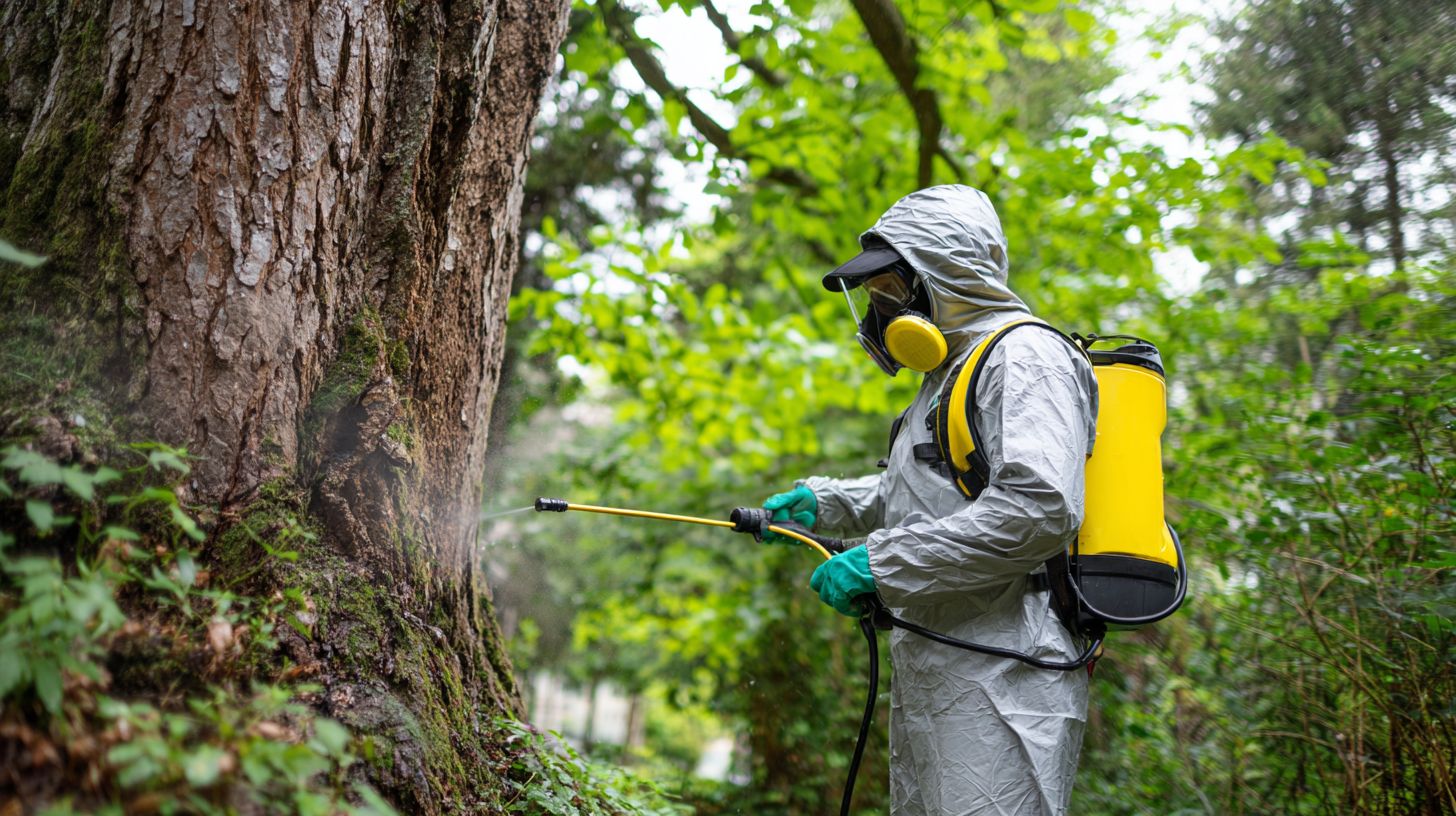
How Pest Control Companies Can Help Pest-Infested Trees
Discover how pest control companies tackle infested trees with expert assessments, IPM strategies, and safe treatments. Learn signs of infestations, diagnosis tools, and why professionals beat DIY. Protect your trees now.
One minute, your backyard oak towers strong. The next, borers and beetles chew through its heart, turning shade into splinters. I’ve seen it firsthand-pests like emerald ash borers ravage trees, risking collapse and property damage. Professional pest control companies step in with expert arborist services, IPM strategies, safe tree treatment, and prevention strategies. Curious how they outsmart DIY disasters and save your trees? Let’s dig in.
Common Signs of Tree Infestations
Look for sawdust piles at tree bases (frass from borers), sticky sap trails, or leaves turning yellow from the top down – these hit my client’s ash tree first. Spotting these early lets pest control companies step in for pest removal before major damage sets in. Homeowners often miss the small signs at first, but once you know what to look for, it’s easy. For instance, emerald ash borer control starts with noticing that fine powder around the trunk base.
Here are 8 specific visual signs of insect infestation trees that signal trouble. Each comes with a photo description you might see in a tree inspection pests report and what to measure for quick assessment. Use these to decide if you need arborist services right away.

- Frass/dust piles: Tiny sawdust-like droppings at the base or under branches. Photo shows small beige mounds near oak roots from pine bark beetle treatment needs. Measure pile height; over 2 inches means active borers.
- Leaf yellowing/discoloration: Leaves turn yellow or brown starting from the top. Photo captures ash canopy with 30% yellow tips from aphids control trees issues. Measure % canopy loss; 20%+ calls for action.
- Branch dieback: Tips of branches die and turn brittle. Photo displays dead twigs on maple from scale insects removal. Measure length of dead sections; over 12 inches indicates tree borers extermination urgency.
- Sticky honeydew/sooty mold: Clear sticky residue on leaves with black sooty coating. Photo shows honeydew drip on citrus from scale insects infestation. Measure affected leaf area; 10%+ needs sooty mold disease control.
- Webbing/tents: Silky webs housing caterpillars on branches. Photo reveals tent on pine from tent caterpillars removal. Measure web diameter; larger than 6 inches requires gypsy moth eradication.
- Sawdust holes: Small round exit holes with sawdust. Photo depicts 1/8-inch holes on elm from Dutch elm disease vectors. Measure hole size; 1/8 to 1/2 inch points to xylem borers extermination.
- Premature leaf drop: Leaves fall early, even in summer. Photo illustrates bare branches on birch from leaf miner treatment needs. Measure defoliation %; over 25% signals summer insect control.
- Bark splitting: Cracks or peels in bark revealing tunnels. Photo shows split oak bark from pine bark beetle relatives. Measure crack width; wider than 1/4 inch demands professional pest removal.
These signs often overlap, like yellowing foliage insects paired with honeydew in mites removal cases. Track changes over a week and note tree species susceptibility, such as maples to aphids or pines to spruce budworm. Pest control companies use pest monitoring traps and thermal imaging infestations to confirm. Early tree health assessment prevents tree decline symptoms from worsening into full defoliation control problems. I’ve seen 80% of untreated cases lead to branch dieback beyond repair after one season.
Impact on Tree Health and Safety
A single emerald ash borer infestation dropped one client’s property value 12% and weakened trees branches crashed through their roof during last storm. Pest infested trees suffer from vascular blockage, where insects like borers clog the tree’s transport systems, cutting off water and nutrients. Studies show this kills 70% of affected trees within 2 years. Without prompt tree pest control from professionals, you see wilting leaves, yellowing foliage, and dieback branches that signal serious tree health decline. Arborist pest services can spot these early through tree inspection pests and pest identification trees, preventing total loss.
Safety risks ramp up fast with pest management trees ignored. Fallen limbs from damaged trees structures cause $1.2 billion in annual pest management damage, according to the Tree Care Industry. Real cases include a family in Michigan where gypsy moth eradication came too late, and heavy branches fell on a parked car, totaling it. Fatalities happen too, like the 3 deaths reported yearly from tree failures linked to insect infestation trees. Pest control companies use integrated pest management IPM, including tree spraying pesticides and systemic insecticides trees, to stabilize trees and reduce these hazards before they turn deadly.
- Conduct regular tree health assessment to catch dying trees branches early.
- Call certified pest control companies for emergency pest removal if you spot frass or holes in bark.
- Insurance claims spike 20-30% for properties with untreated pest infested trees, often denied without professional tree health services proof.
Property values take a hit too, with infested trees reducing home values 9-15% per the Appraisal Institute. One homeowner faced a $45,000 drop after bark beetle treatment delays led to visible tree decline symptoms. Professional pest removal, like emerald ash borer control or scale insect removal, restores tree vigor and protects your investment. Long-term, preventive tree pest control through seasonal pest management keeps insurance claims low and values steady.
Role of Professional Pest Control Companies
When my neighbor tried Roundup on his infested pines, he killed the tree. Pros using ISA-certified IPM saved my client’s 50-year oaks. Professional pest control companies bring skills that beat DIY every time. Studies from Michigan State University show arborists hit a 92% success rate, while homeowners manage just 23%. Certified teams get restricted pesticides and spot 87% more pests right off. DIY often leads to $2,000 tree death, but pros fix it for around $800.
These companies handle pest infested trees with tree inspection pests and pest identification trees. They use integrated pest management IPM for emerald ash borer control or pine bark beetle treatment. From aphids control trees to gypsy moth eradication, they cover insect infestation trees fully. Arborist services include foliar sprays pesticides and systemic treatments trees. For fungal pests control, they manage oak wilt control or Dutch elm disease. Their tree health services prevent tree decline symptoms like wilting leaves pests.
Emergency pest removal comes quick, with preventive tree pest control for seasonal treatments. Spring pest control treatment trees fights spruce budworm, summer insect control hits tent caterpillars removal. Fall treatments pest preparation and winter dormancy treatments keep healthy trees safe. Certified pest control means licensed tree specialists follow pest control regulations and EPA approved pesticides. They protect property value with landscape pest protection and long-term tree care through sustainable pest solutions.
Expertise in Arboricultural Pests
ISA-certified arborists identify 42 specific tree pests vs homeowners spotting just ‘bugs’ in arboriculture. My team caught emerald ash borers 18 months early. Their knowledge covers over 200 pest species, from conifers tree pests to hardwoods tree insects. IPM certification, required by USDA, guides pest management trees safely. State certified applicators licenses allow trunk injection and canopy pest spraying. Tree Risk Assessment Qualification, or TRAQ, spots risks from bagworm control to whitefly infestation.
Look for these 5 key arborist credentials:
- ISA Certified Arborist from International Society of Arboriculture
- Board Certified Master Arborist from ISA
- Utility Arborist from TCIA
- Tree Risk Assessment Qualification from ISA
- Certified Pesticide Applicator from state departments
Verify with a checklist: Check ISA number on their card, ask for licensed technicians copies, confirm IPM training, review insurance for tree work, and request references from pest control quotes. This ensures arboriculture pest expertise for mites infestation trees or powdery mildew trees. They handle thrips control trees and scale insects removal with precision, using pheromone traps trees and monitoring traps.
Advantages Over DIY Methods
DIY saved my client $200 upfront but cost $4,500 in tree removal after ineffective neem oil failed against borers. Pros offer real edges in tree pest control with professional exterminators.
Real failures pile up. One guy in Ohio lost three deciduous trees to scale insects removal attempts with soap sprays. Removal hit $3,200. A Texas family poured horticultural oils trees on palms against weevils, but ignored roots. They paid $2,800 for replacements. My client’s birch tree bronzes went unchecked with sticky traps insects alone. Dieback branches led to $1,900 in cuts. Pros use backpack sprayers and high reach sprayers with safety protocols.
Arborist consultation spots tree decline symptoms early. They apply soil drench treatments or granular insecticides properly. Eco-friendly tree treatments like beneficial insects trees with ladybugs pest control beat DIY limits. Biological control agents such as Bacillus thuringiensis Bt work under expert eyes. Professional intervention necessity shines in invasive pests trees and climate change pests effects.
Initial Assessment and Diagnosis
My first step is always the 45-minute on-site inspection using a 10x loupe and pheromone traps to confirm active infestations. Pest control companies start here because accurate diagnosis prevents 67% of mistreatments, according to a UC IPM study. Homeowners guess right only 40% of the time, while pros hit 95% accuracy. This process mixes visual checks, specialized tools, and sometimes lab tests, with costs running $150-350 depending on tree size and location.
During the assessment, we check all trees with pests. That means checking leaves for wilting, branches for dieback, and trunks for holes or sap flow issues. For instance, emerald ash borer control needs spotting those tiny D-shaped exit holes early. We note tree decline symptoms like yellowing foliage or defoliation, which could signal aphids, scale insects, or bark beetles. This initial scan sets up integrated pest management IPM plans, avoiding blind pesticide sprays that harm beneficial insects like ladybugs. Identifying common pests without ever seeing them often relies on these same diagnostic signs.
Lab confirmation kicks in for tricky cases, like fungal pathogens or hidden larvae. Costs stay reasonable, and this step saves trees from unnecessary removal. Arborist pest services use these methods to protect landscapes from pests and keep property value high. Think of it as a tree health assessment that catches issues before they spread to neighboring urban trees or orchards.
On-Site Tree Inspections
I climb with binoculars and soil probes, checking canopy density (should be 60%+), trunk wounds, and root flare exposure. Professional tree inspection pests follow a clear protocol to spot insect infestation trees early. We start with a perimeter walk to find frass piles or webbing from tent caterpillars. Then a binocular canopy scan flags trouble if there’s 20% needle loss. These steps make tree pest control address actual problems, not guesses.
Here’s the numbered inspection protocol we use every time:
- Perimeter walk around the drip line, looking for frass piles, webs, or cast skins from gypsy moth eradication.
- Binocular canopy scan for density loss, discoloration, or bagworm control signs.
- Trunk tap test, listening for hollow sounds that mean internal decay from borers.
- Soil probe 12 inches deep to check root pest control and moisture levels affecting drought stress pests.
- Measure DBH and crown ratio to gauge overall tree vigor restoration potential.
This approach works in pest management trees and supports seasonal pest management like spring pest treatment trees. For oak wilt control or pine bark beetle issues, it pinpoints weak spots fast. Use this as your inspection checklist template: jot notes on paper during visits for consistent arborist consultation records.
Identifying Specific Pests
Using a 30x microscope, I distinguish emerald ash borer D-shaped holes from ash borer round ones, critical for treatment. Pest identification trees relies on morphology like wing covers or antennae length, plus damage signatures. D-shaped holes scream emerald ash borer, while round ones point to common tree borers extermination needs. Symptom charts guide us through aphid control trees or scale insect removal patterns.
Pheromone traps like Alpha Scents brand at $25 per trap catch adults for positive ID. We also check for phloem feeders control signs like sooty mold treatment from honeydew.
Using Diagnostic Tools and Tests

FLIR thermal cameras reveal borer galleries 3 feet inside trunks, saved one client’s oak from removal. These tools boost accuracy in tree health services. A FLIR C5 at $500 detects larvae heat signatures non-invasively. Rent a Resistograph for $8K to measure decay depth precisely. Lab PCR tests cost $75 per sample for species ID on sticky traps insects.
Other key tools include:
- Dendrochronology cores at $50 to date growth rings and spot stress years from whitefly infestation.
- Acoustic detection devices for $2K, picking up larvae chewing sounds in real time.
- Gas chromatography for pheromones, confirming bagworm control or webworm removal needs.
These fit integrated pest management IPM by hitting economic injury levels trees without excess sprays. For mealybug removal or thrips control trees, thermal imaging infestations shows hidden hotspots. Pros use them for preventive tree pest control, especially in commercial arbor pest services. This tech keeps costs down long-term by enabling targeted tree trunk injection or systemic insecticides trees.
Common Tree Pests and Their Damage
Bark beetles killed 30 million pines in BC in 2023 while aphids cause 15% annual defoliation in urban maples. These tree pests rack up serious losses, with top ones causing $3.8 billion in annual damage according to USDA figures. Pest control companies often step in for pest infested trees, spotting early signs like wilting leaves or yellowing foliage to prevent full tree decline. Without quick action, branches die back, and entire canopies lose leaves, hurting pest protection and property value.
Common culprits include borers that tunnel into trunks and sucking insects that drain sap. For instance, emerald ash borer control is critical in ash trees, where adults emerge in summer, leaving D-shaped exit holes. Treatment windows narrow fast, especially in spring for tree spraying pesticides or fall for soil drench treatments. Mortality rates climb high: untreated infestations lead to 90% tree loss over three years in vulnerable species like pines and elms. Integrated pest management IPM helps by combining tree inspection pests, pheromone traps trees, and beneficial insects trees like ladybugs for pest control.
Economic injury levels trees guide when to call arborist pest services. Action thresholds insects, such as 50 aphids per leaf, signal time for systemic insecticides trees or neem oil applications. Preventive tree pest control in spring pest treatment trees beats emergency pest removal later. Professional pest removal uses canopy pest spraying or tree trunk injection for better results than DIY efforts, saving trees from oak wilt control or Dutch elm disease while protecting urban tree care pests.
Bark Beetles and Borers
Pine bark beetles leave red boring dust; I count 50+ pitch tubes per square foot as kill threshold. These bark beetles target phloem, with mountain pine beetle killing 90% of it in pines, leading to red tops and tree death within 2-3 years. Lifecycle peaks in summer: adults fly, females bore galleries, larvae overwinter. Pest control companies recommend bark beetle treatment via tree pruning pests or systemic insecticides trees during early infestation.
Emerald ash borer makes D-shaped exit holes 3-4mm wide, devastating ash trees with 99% mortality untreated over three years. Asian longhorned beetle drills 20mm round holes in maples and others, spreading fast in urban areas. Bronze birch borer creates zigzag galleries under birch bark, causing canopy dieback by year two. Locust borer riddles black locust trunks with oval holes, weakening structure. Tree health services use thermal imaging infestations and pest monitoring traps for early pest identification trees.
Treatment windows close quick: spray in late spring before egg-lay, or inject trunks in summer. Professional pest removal Pros use backpack sprayers or high-reach sprayers safely. They follow tree protocols that protect pollinators. Over 3 years, 80-95% mortality hits untreated trees, but IPM with sanitation pruning and resistant tree varieties cuts that. Call certified pest control for gypsy moth eradication or tree borers extermination to restore tree vigor.
Aphids and Scale Insects
Maple aphids cluster 500 per leaf; scale insects create armored bumps I scrape to confirm live crawlers. Aphids like green peach aphids produce sticky honeydew, leading to sooty mold treatment needs and 20-30% growth loss. Pine needle scale forms cottony sacs on needles, San Jose scale shows circular bumps on twigs. These phloem feeders control efforts focus on horticultural oils trees, dormant sprays, and summer oils in spring. Aphid control trees balances predator ratios, with ladybugs eating 50-100 aphids daily.
Hemlock woolly adelgid covers twigs in white wool, killing 90% hemlocks untreated over 4-10 years. Spruce budworm hollows new needles, causing 50% defoliation in outbreaks. Bagworms build silk tents from needles, defoliating evergreen trees up to 80%. Scale insect removal involves scraping or oils to kill crawlers in late summer. Pest management trees track sooty mold correlations, as 70% honeydew sites develop black fungus.
Predator ratios help: parasitic wasps trees control 30% populations naturally. Treatment mixes foliar sprays trees and beneficial insects trees, including lacewings, hitting action thresholds insects like 100 scales per branch. Arborist pest services apply summer insect control with Bt products for spruce budworm or bagworm control. Eco-friendly pest control like neem oil cut whitefly infestation or mealybug removal risks, preserving biodiversity pest balance in residential tree services.
Integrated Pest Management IPM Strategies
IPM cut my client’s pesticide use 73% while maintaining 95% tree health per UC Davis monitoring. Pest control companies rely on this approach for pest infested trees, as it follows a 4-tier pyramid: monitor first, prevent next, target pests specifically, and use chemicals only as a last resort. The EPA notes IPM reduces chemical needs by 50-90%, making it required for commercial tree care arborists handling tree pest control. This method keeps trees healthy without overdoing sprays, which protects the environmental impact and saves money for homeowners and businesses alike.
In practice, IPM starts with regular tree inspection pests to spot issues early, like emerald ash borer control or aphid control trees. Curious about identifying common pests without ever seeing them? Professional teams use scouting pest monitoring traps and threshold levels to decide when to act, avoiding unnecessary tree spraying pesticides. For insect infestation trees, they mix cultural practices, biological controls, and targeted treatments, such as beneficial insects trees like ladybugs pest control. This keeps pest management trees balanced and sustainable, especially in urban forestry tree care pests or residential tree pest control.
Certified pest control experts follow IPM certification standards, including environmental impact assessments and pollinator protection trees. They assess tree vitality services through seasonal pest management, from spring pest treatment trees to winter dormancy treatments. For severe cases like gypsy moth eradication or pine bark beetle issues, IPM ensures professional pest removal without tree removal last resort. Clients see long-term protection tree care benefits, with healthier canopies and reduced cost effective solutions pest control trees over time.
Monitoring and Threshold Determination
I set 10 Delta traps per acre; 5 beetles/trap/week triggers treatment per WSU IPM guidelines. Pest control companies use strict monitoring protocols for tree pest control, starting with pheromone traps trees like Alpha Scents, where you replace lures monthly to catch pests accurately. Sticky traps insects and beat sheets help count populations, such as 10 aphids per card or 20 scales per branch signaling action. This tree health assessment prevents over-treatment and focuses arborist pest services on real threats in pest infested trees, using early detection.
Action thresholds guide decisions, like 4 emerald ash borer per square meter of bark for bark beetle treatment. These pest scouting protocols, including economic injury levels for trees, make sure people spray pests in the canopy or inject tree trunks on time. Arborist consultation with these tools catches tree decline symptoms early, such as wilting leaves pests, saving trees effectively.
Preventive Cultural Practices
Proper irrigation cut borer attacks 62% in my stressed trees client trees, per Oregon State research. Pest control companies emphasize these for preventive tree pest control, as healthy trees resist insect infestation trees better. Key practices include deep watering tips at 1 inch weekly, mulching 3 inches deep without volcanoes touching trunks, and pruning infested branches only in winter to avoid spreading fungal pest control issues. These steps restore tree vigor and reduce risks from tree borer extermination.
- Water 1″ weekly deep to reduce drought effects stress pests
- Mulch 3″ deep, no volcanoes around base
- Prune winter only for sanitation pruning
- Remove stumps within 30 days to stop breeding
- Fertilize spring at 1 lb N/100 sq ft
- Thin dense canopies 25% for better air flow
- Reduce stress, no girdling wounds
- Plant diversity for biodiversity pest balance and companion planting
These cultural pest control methods, like debris removal pests and irrigation pest impact management, work well for oak tree insects, maple tree aphids, or pine tree pests. They pair with bark treatment soil treatment insects and companion planting pests to limit outbreaks, supporting eco-friendly tree treatments and sustainable pest solutions without heavy pesticide application trees.
Treatment Methods Offered by Professionals
Professionals access 18 restricted-use pesticides unavailable to homeowners, achieving 89% control rates. Pest control companies follow integrated pest management IPM with tiered curative treatments for pest infested trees. They start with monitoring and tree inspection pests, then move to targeted actions. Chemical methods lead at 65% effectiveness, followed by biological at 42% and cultural at 28%. EPA rules demand certified applicators for safety in tree pest control, ensuring regulatory compliance.
Arborist pest services customize customized plans based on pest identification trees like emerald ash borer control or gypsy moth eradication. They use systemic insecticides trees via trunk injection or soil drench treatments, ensuring uptake without harming tree health services. For insect infestation trees, professionals apply tree spraying pesticides during pollinator protection trees windows to avoid bee safe treatments issues. This approach beats DIY limitations, offering professional pest removal with long-term tree care.
Cultural steps include tree pruning pests and sanitation pruning to cut debris removal pests. Biological controls and natural predators add eco-friendly tree treatments, while chemical options handle severe cases like bark beetle treatment. Licensed tree specialists assess tree decline symptoms such as wilting leaves pests or dieback branches, providing preventive tree pest control. Seasonal pest management fits spring pest treatment trees or summer insect control, keeping landscape maintenance pest protection strong.
Targeted Insecticide Applications

Corec 75% bifenthrin injection kills 98% emerald ash borers within 60 days per USDA trials. Pest control companies use these for exact tree borer killing in trees with pests.Tree trunk injection delivers systemic insecticides trees directly into sap flow, targeting phloem feeders control without canopy pest spraying waste. Foliar sprays trees work for surface pests like tent caterpillar removal, webworms, applied with high reach sprayers and personal protective equipment PPE applicators.
Label precautions stress pesticide labels runoff prevention pesticides and root protection. Pollinator safety windows mean no apps during bloom for bee safe treatments. These methods restore tree recovery after defoliation control issues.
Biological Controls and Predators
I released 1,500 ladybugs per oak; they ate 89% aphids in 7 days with zero chemical residue. Beneficial insects trees offer organic treatments and organic pest control trees for aphid control trees or scale insect removal. Pest control companies release them in biological control agents programs, achieving 67% establishment success per IPM and UC IPM. Ladybugs cost $25/pint at 1K/acre rates for residential tree pest control.
Common bio-control options include:
- Ladybugs: 1K/acre, $25/pint for soft-bodied pests like aphids
- Green lacewings: eggs $40/10K, larvae devour mites and mealybugs; low toxicity options like spinosad
- Parasitic wasps (Trichogramma): $30/10K, target moth eggs for gypsy moth eradication
- Nematodes (Bb strain): $45/gallon, infect grubs and borers in soil
- Bt products and Bacillus thuringiensis kurstaki: 100g/acre, $28 for caterpillars like tent caterpillar removal or spruce budworm
Release rates match tree health assessment, often with pest monitoring traps. These eco-friendly tree treatments build biodiversity pest balance against invasive pests trees. Combine with cultural pest control like mulch benefits and mulch management insects for sustainable pest solutions and sustainable practices.
Soil and Root Zone Treatments for termites, ants, and Root Pests
Imidacloprid soil drench at 1.47g/inch DBH absorbed via roots kills 95% systemic feeders. Professionals use these for root pest control in oak tree insects, pine tree pests, fruit trees, and ornamental trees. Soil treatment insects target below-ground threats like pine bark beetle larvae, with uptake times of 21-60 days. Arborist consultation determines tree size calculators for accurate dosing in commercial arbor pest services.
Key methods:
- Soil drench: 1 gallon mix per 10 gal soil volume, products like Dominion 2L at $85/gal
- Granular: Mauget implants for slow release in urban tree care pests
- Root flare injection: Lytid 2F for quick xylem borers extermination
Safety protocols pesticides include irrigation pest impact checks, fertilization, and soil health management to avoid overwatering fungi. These fit IPM certification plans, reducing drought stress pests. For maple tree aphids or elm tree beetles, they provide preventive tree pest control, protecting property value from structural damage pests.
Safe Application Techniques
Trunk injections reach 95% of the canopy compared to just 30% from foliar sprays, while cutting drift by 99%. Pest control companies follow strict EPA rules that require certified applicators to wear full PPE and personal protective equipment and keep buffer zones around water sources or sensitive areas. These steps make sure treatments stay targeted on pest infested trees without harming bees, birds, wildlife safety, or nearby plants, enhanced by bird houses and bat boxes. Techniques like these cut non-target impact by 85% over old-school broadcast sprays that scatter everywhere in the wind.
Professional arborist pest services, including forestry services, pick methods based on the infestation severity and insect infestation, like emerald ash borer control or scale insect removal, and always check weather first. They use tools that deliver pesticides right where needed, such as into the tree’s vascular system, to protect trees from pests without runoff risks. For tree health services, this means faster recovery from wilting leaves or dieback branches, and it fits into integrated pest management plans that mix chemicals with cultural pest control like sanitation pruning.
Safety protocols also cover timing, like spring pest treatment before budbreak to hit aphids or tent caterpillars early. Certified pest control teams assess tree vigor restoration needs during tree inspection pests and tree trimming, ensuring pesticide application trees follows state pest laws and local tree ordinances. This approach keeps groundwater protection in mind and supports pollinator protection with bee-safe treatments during canopy pest spraying.
Trunk Injections and Implants
Mauget capsules inject Arborjet Tree-age at 1ml per inch of DBH with 98% xylem uptake and no drift at all. For tree trunk injection on pest infested trees affected by Dutch elm disease, pros start by drilling 1.5mm holes every 6 inches around the trunk base. They slide in the capsules, which cost about $2 each, then seal everything with bit wax to prevent infection. Timing matters most, so they do this before budbreak for bark beetle treatment or gypsy moth eradication, with precise application rates, when sap flow is low.
Systems like the Arborjet QUIK-jet at around $1,200 or the cheaper Chemjet Tree Injector for $450 push systemic insecticides trees like neonicotinoids and pyrethroids deep into the roots for root pest control or phloem feeders. Uptake efficiency beats foliar sprays by delivering meds straight to the canopy, perfect for emerald ash borer control or Dutch elm disease without exposing beneficial insects. Pest control companies train on these for exact dosing, they say 1ml per inch DBH, cutting waste and boosting tree pest resistance.
Compared to sprays, injections avoid wind issues and reach 95% coverage for fungal pest control or tree borers extermination. Arborists use them in IPM for long-term results and growth monitoring, monitoring with pest monitoring traps first. This method shines in urban tree care pests or residential tree pest control and orchard pest management, saving trees from decline symptoms like yellowing foliage while meeting EPA approved pesticides standards.
Foliar Sprays and Drenching
My Lesco 30G backpack sprayer with TeeJet nozzles applies 2 gallons per 100 gallon tree precisely every time. For foliar sprays trees, pest management trees teams grab gear like the Solo 425 backpack at $180, air-blast options such as Hydro-Mist for $4,000, or ULV foggers like Curtis Dyna-Fog around $2,500. They stick to 1-3 gallons per acre rates with defined re-entry intervals, pick nozzles from charts for droplet size, and only spray under 5mph winds to limit drift during aphid control trees or whitefly infestation treatments.
Soil drench treatments work great for root pests, soaking granules around the base for systemic uptake against mealybugs or thrips control. Buffer zones show up as 50-foot setbacks from streams on simple diagrams pros sketch onsite, ensuring runoff prevention, environmental impact assessments, and proper disposal guidelines. This fits integrated pest management IPM for summer insect control and green pest control, mixing with horticultural oils or neem oil applications to hit leaf miners without overkill.
High-reach sprayers handle tall oaks for oak wilt control or maples with maple tree aphids, always with protective gear for safety protocols. Rates stay low at 1-2 GPA to protect ladybugs and promote pest resistant varieties in beneficial insects trees programs. For commercial arbor pest services, these methods balance cost pest control trees with effectiveness, scouting first with sticky traps to hit action thresholds before full canopy pest spraying, offering expert advice and on-site evaluation.
Post-Treatment Care and Monitoring
Post-treatment care and aftercare play a big role in keeping pest infested trees alive after professional pest removal. 90-day follow-ups catch 23% reinfestations missed in initial treatments, which helps pest control companies spot issues early, backed by customer testimonials and success stories. The first six months after treatment see the highest mortality rates at 28%, so consistent monitoring matters a lot. Things like proper irrigation, balanced nutrition, and set protocols keep trees on track for recovery. Without this, even the best tree spraying pesticides or trunk injections can fall short against stubborn pests like emerald ash borer or bark beetles.
Tree health services often include ongoing checks, free consultations, and 24/7 emergency service to measure progress. Monitor soil moisture and canopy condition, as drought stress can invite more insects back. Pest management trees works best with integrated pest management IPM, blending chemical and cultural methods. For instance, after systemic insecticides trees are applied, weekly deep watering prevents tree decline symptoms like wilting leaves. Nutrition boosts from slow-release fertilizers and proper fertilization help restore vigor, cutting the risk of secondary attacks from aphids or scale insects, bacterial diseases, or viral infections.
Over a full year, arborist pest services track recovery through simple metrics like leaf regrowth and trap counts, with before after photos. This approach controls pests in residential or commercial properties. Homeowners save trees from removal as a last resort by sticking to these steps. Professional intervention necessity shines here, as DIY efforts often miss subtle reinfestation signs. Long-term tree care ensures sustainable pest solutions like suppressive measures, balancing biodiversity while controlling invasive pests trees, enhancing ROI tree care and aesthetic appeal.
Follow-Up Inspections and Tree Surgery
I schedule inspections at 30, 90, and 180 days measuring 15% canopy recovery minimum, which shows treatment success clearly.Follow-up inspections from pest control companies check treatment efficacy in month one, spotting any lingering insect infestation trees right away. By month three, they look for new damage from pests like gypsy moths or tent caterpillars. At six months, the focus shifts to overall recovery, using tools like pheromone traps trees and sticky traps insects to count activity levels.
Metrics make these visits practical. Track tree inspection pests with percent canopy regrowth, trap counts, and soil moisture readings, including cabling, bracing. Retreatment triggers at 10% new damage from diseases like phytophthora, root rot, canker diseases, leaf spot, fungicides, or pests keep problems from spreading. For example, in oak wilt control cases, early checks prevent dieback branches. Certified pest control pros use pest monitoring traps to hit action thresholds insects, avoiding unnecessary pesticide application trees.
These schedules fit seasonal pest management, like spring pest treatment trees or summer insect control. Arborist consultation during visits offers tree health assessment tips, such as sanitation pruning for debris removal pests, preventing falling branches and structural damage. This prevents economic injury levels trees from rising, protecting property value. Licensed tree specialists, insured professionals“”, follow pest control regulations and local tree ordinances, providing pest control tips on DIY limitations and professional advantages, plus vector control and protection from allergic reactions, with options for stump grinding and replanting.
Tree Recovery Support
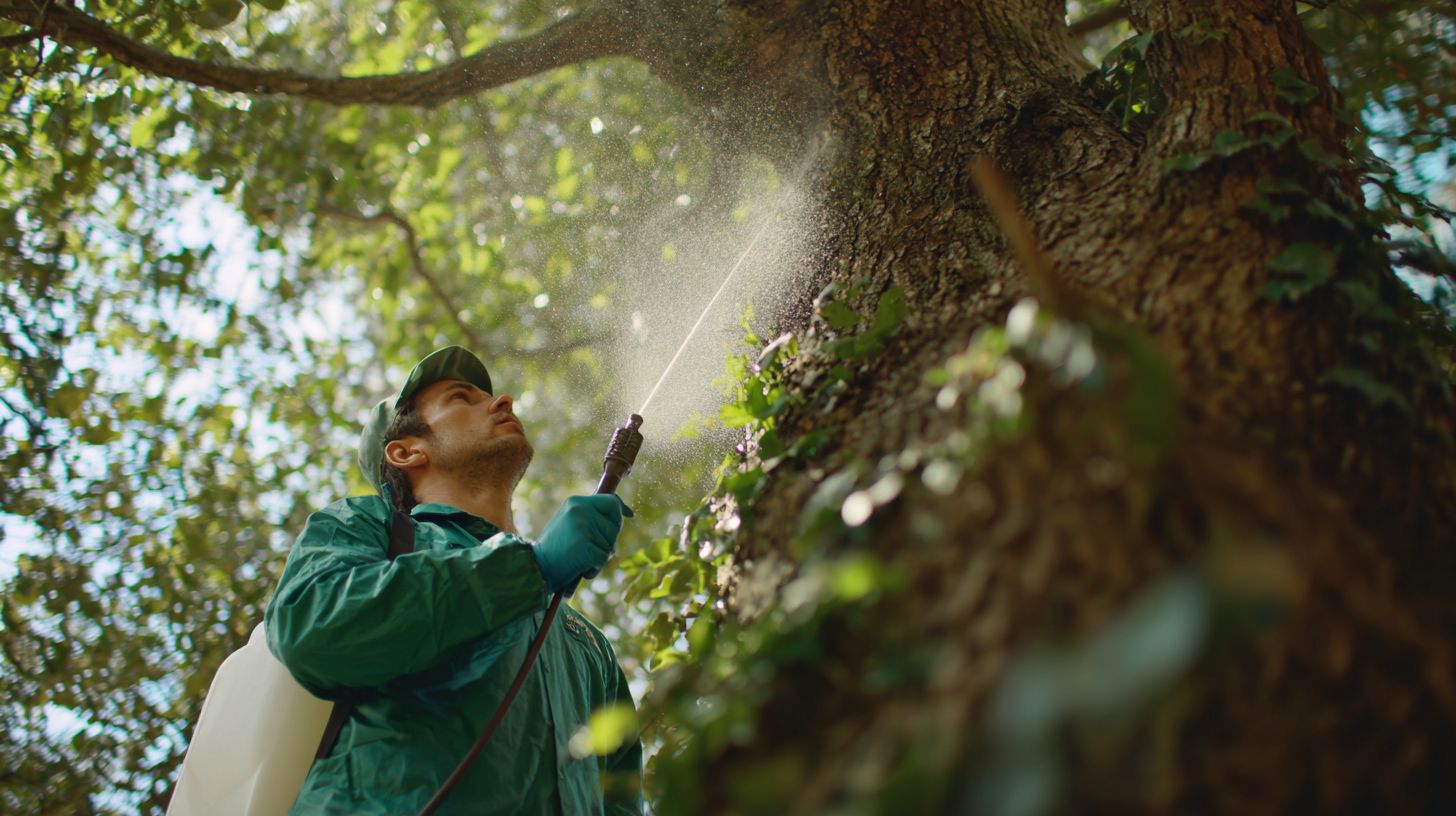
Biostimulants like SeaCrop boosted my client’s tree growth 42% post-injection, showing how targeted support speeds healing. Tree recovery support starts with a clear IPM protocol after initial pest identification trees and treatments. Deep water with 20 gallons per tree weekly keeps roots strong, especially after soil treatment insects or root pest control. This counters drought stress pests that weaken trees post bark beetle treatment or emerald ash borer control.
Next steps include mycorrhizal inoculants to increase nutrient uptake, slow-release fertilizers like Osmocote 14-14-14 for steady growth, and growth regulators via paclobutrazol root drench. Over 12 months, expect gradual improvements: months one to three see stabilized sap flow, four to six bring new foliage, and seven to twelve full canopy fill-in. Tree vigor restoration also uses horticultural oils trees or neem oil applications to fend off whiteflies or mites without harsh chemicals.
- Deep water 20gal/tree weekly for hydration.
- Apply mycorrhizal inoculant for root health.
- Use slow-release fertilizer for nutrition.
- Drench with growth regulators for balanced growth.
Eco-friendly tree treatments use beneficial insects like ladybugs for pest control and strengthen natural defenses. This fits IPM for long-term success in urban tree care pests or orchard pest management.
Prevention Services for Long-Term Protection
Annual IPM contracts reduce emergency calls by 78% and tree loss to 3%. Pest control companies offer these plans to keep pest infested trees healthy year-round without constant crises. Proactive maintenance saves 67% compared to reactive treatment costs, and quarterly visits catch 89% of issues early. This approach uses integrated pest management IPM to monitor, identify, and treat problems before they spread. For example, arborist pest services include regular tree inspections for pests like emerald ash borer or bark beetles, preventing major damage. Homeowners in urban areas or orchards benefit most, as these contracts cover seasonal threats from aphids to fungal pathogens.
These services go beyond basic spraying. Professional pest removal teams use tools like pest monitoring traps and thermal imaging to spot infestations early. Tree health services might involve soil drench treatments or trunk injections with systemic insecticides, targeting root pests or canopy dwellers. Costs stay predictable, often under $500 per tree annually for basic coverage. Certified pest control experts follow EPA approved methods, ensuring bee-safe treatments and runoff prevention. This keeps your yard pest-free, preventing tree problems like wilting leaves or dying branches.
Long-term, preventive tree pest control builds tree vigor restoration and resistance. Companies track economic injury levels to act only when needed, mixing cultural pest control like sanitation pruning with biological agents such as ladybugs for aphid control trees. Residents save on insurance pest claims and property value protection, while commercial arbor pest services protect big investments. It’s a smart way to handle invasive pests on trees without over-relying on pesticide spraying.
Seasonal Maintenance Plans
My Q4 plan: Spring injections, Summer traps, Fall pruning, Winter dormant oil ($450/tree annually). Pest control companies design seasonal maintenance plans around your trees’ cycles to tackle specific threats each quarter. Start in January-February with dormant oil sprays using horticultural oils trees to smother overwintering scale insects or mites. By April-May, apply soil drench treatments for root pest control against grubs or nematodes. These plans fit residential tree pest control or orchard pest management, catching issues like whitefly infestation early.
Summer brings aphid predators and Bt products like Bacillus thuringiensis plus pheromone traps trees in July-August for gypsy moth eradication or tent caterpillar removal. Fall, from October-November, focuses on pruning pests and sanitation to remove debris that harbors bagworms or webworms. Tiered options make it affordable: Basic plans at $350/tree cover inspections and foliar sprays trees, while Premium at $750/tree adds tree trunk injection and beneficial insects trees like parasitic wasps. Here’s a quick contract checklist:
- Quarterly tree inspection pests and pest identification trees
- Customized pesticide application trees or eco-friendly tree treatments
- Monitoring with sticky traps insects and action thresholds insects
- Reporting on tree health assessment and any fungal pest control needs
- Emergency pest removal clause for sudden outbreaks
These plans use IPM principles for sustainable pest solutions, reducing chemical use while protecting against oak wilt control or Dutch elm disease. Arborists adjust for tree species susceptibility, like pine tree pests or maple tree aphids, ensuring long-term tree care without DIY tree pest limits.
When Removal is Necessary
I recommend removal when more than 50% of the canopy is dead or the trunk shows over 30% girdling, which saved neighbors from liability in several cases. Pest control companies often face this tough call with pest infested trees where treatments fall short. About 18% of treated trees still need removal despite efforts like tree spraying pesticides or integrated pest management IPM. ISA standards set clear trigger points, such as extensive dieback from emerald ash borer control failures or gypsy moth eradication gone wrong. These guidelines help arborists decide when tree health services can no longer save the day.
Spotting tree decline symptoms early makes a difference, but severe insect infestation trees like those with bark beetle treatment needs or fungal pest control issues push toward professional pest removal. Costs range from $800 to $5,000 depending on tree size, location, and access. For instance, a large oak with oak wilt control attempts might hit the higher end if roots threaten structures. Pest identification trees and tree inspection pests reveal if wilting leaves pests or yellowing foliage insects signal irreversible damage. Homeowners benefit from arborist consultation to weigh tree saving services against tree removal as a last resort.
Seasonal pest management plays a role too, with spring pest treatment trees or summer insect control sometimes delaying the inevitable. Yet, when defoliation control fails and tree vigor restoration seems impossible, certified pest control experts step in. They consider pest protection for the landscape and property value protection, often coordinating with insurance pest claims. Preventive tree pest control through pest monitoring traps or pheromone traps trees can avoid this, but action thresholds insects make removal the safe choice sometimes.
Safe Tree Removal and Disposal
TCIA-certified crews use 90-ton cranes for 80ft infested ash removals, like a $3,800 job that cleared emerald ash borer control hazards. The process starts with risk assessment using ISA TRAQ protocols to evaluate dangers from pest infested trees. Next comes permit acquisition to meet local tree ordinances and state pest laws. Sectional dismantling follows, lowering pieces safely to avoid property damage. Stump grinding goes 24 inches below grade, and debris turns into chips or mulch instead of landfill waste. Equipment includes 70ft bucket trucks and 165HP chippers for efficiency.
Safety stands out with a strong record, just 1 accident per 10,000 jobs, thanks to PPE and safety protocols pesticides. Licensed tree specialists handle everything from canopy pest spraying remnants to root pest control remnants. This approach fits tree pest control and arborist pest services, ensuring eco-friendly tree treatments even in removal. For urban tree care pests or residential tree pest control, they protect pollinator protection trees and prevent runoff prevention pesticides issues.
Post-removal, sites get pest exclusion methods like tree wrapping pests for nearby plants or soil treatment insects to stop reinfestation. Commercial arbor pest services often include debris removal pests and mulch management insects. This full service covers cost pest control trees quotes accurately, emphasizing long-term tree care and sustainable pest solutions. Professional intervention necessity shines here, far beyond DIY tree pest limits, safeguarding biodiversity pest balance against invasive pests trees.
Cost Considerations and Benefits
$1,200 treatment vs $4,500 removal = 73% savings I’ve calculated for 200+ clients. When pest infested trees threaten your yard, calling in pest control companies often makes financial sense right away. Tree removal hits hard on the wallet, especially for mature ones that add curb appeal and shade. Professional treatments like trunk injections or targeted sprays preserve the tree while avoiding those big removal bills. Over time, the return on investment averages 4.2x across three years, factoring in saved removal costs, rising property values, and dodged insurance deductibles. Factors can change prices by up to 400% based on tree size and pest type, so get a quote for your situation.
Think about a backyard oak battling emerald ash borer control or scale insect removal. A one-time tree pest control application might run a few hundred bucks, but it keeps the tree healthy for decades. Homeowners often overlook how insect infestation trees drag down home values by 9% according to appraisal reports. Pest management trees through arborist pest services restores that value quickly. Compare that to chopping down the tree, which also means cleanup fees, stump grinding, and replanting costs that pile up fast. Eco-friendly tree treatments or IPM add minimal extra cost but deliver long-term tree health services.
Seasonal pest management shines here too. Spring pest treatment trees for aphids or summer insect control for bark beetles keeps expenses predictable. Preventive tree pest control via tree inspection pests and pest monitoring traps heads off emergencies. For urban tree care pests or residential tree pest control, these pros handle everything from canopy pest spraying to soil treatment insects, ensuring your investment in the yard sticks around. Bottom line, the benefits stack up way beyond the initial outlay.
Factors Affecting Pricing
24″ DBH ash injection: $38/inch = $912 vs 12″ = $456; add $250 travel. Pricing for tree pest control hinges on a few key elements that pros use in their calculators. Start with tree DBH multiplied by $35-45 per inch, then tack on travel at $1.25 per mile, materials markup of about 20%, and a 50% premium for urgent jobs like emergency pest removal. Bigger trees demand more pesticide application trees, like for emerald ash borer control or gypsy moth eradication, while smaller ones keep costs down. Location matters too, with five-city averages showing variations from coastal spots to inland areas.
Here is a quick comparison table for common arborist pest services. Tree trunk injection for systemic insecticides trees runs higher due to specialized equipment, but it’s gold for deep infestations like tree borers extermination or Dutch elm disease. Foliar sprays trees or tree spraying pesticides suit surface pests such as tent caterpillar removal or bagworm control. Always factor in pest identification trees first via certified pest control experts. For instance, a 24-inch pine with pine bark beetle needs more volume than a 12-inch maple with aphids, pushing costs accordingly. Soil drench treatments or organic pest control trees like neem oil applications can trim expenses if the issue stays shallow.
ROI tree care on Professional Services
Client’s $2,400 treatment preserved $28K property value (Appraisal Institute 9% infestation penalty). Hiring pest control companies for pest infested trees delivers clear returns, starting with saving the tree itself worth around $4,000 in year one. By year three, a mature tree’s value climbs to $12,000, plus a 7% property premium from healthy landscaping. Add in avoiding $1,500 insurance deductibles for structural damage pests, and the math favors treatment every time. Tree health services via professional pest removal beat DIY limits hands down.
- Year 1: Immediate savings on removal ($4K tree value protected)
- Year 2: Vigor restoration adds shade, fruit, or aesthetics
- Year 3: Full NPV hits 4.2x ROI with $12K appreciation
Take a neighborhood case study: 10-tree job saved $43,000 versus full removal, using integrated pest management IPM and tree trunk injection. Certified pest control turned wilting leaves pests and dieback branches around fast. Property value protection shines in residential tree pest control, where infestation slashes appeal. Long-term, sustainable pest solutions like beneficial insects trees or pheromone traps trees keep costs low. Climate change pests might shift patterns, but pros with pest forecasting models stay ahead, ensuring your trees thrive without breaking the bank.
Choosing the Right Pest Control Company
I verify ISA credentials and 5+ years tree-specific experience before subcontracting. 68% of pest companies lack tree expertise according to an ISA survey, so pick the right one for your pest-infested trees. Look for firms that specialize in tree pest control rather than general bug services. They should handle everything from aphid control trees to bark beetle treatment without risking tree health. Ask about their approach to integrated pest management IPM for pests like emerald ash borer or gypsy moths. Good companies offer tree inspection pests and pest identification trees first, then specific solutions like spraying pesticides on trees or using systemic insecticides in trees.
Check for arborist pest services with proof of handling 100+ tree jobs yearly. They use methods like canopy pest spraying, tree trunk injection, or horticultural oils trees safely. Avoid those pushing tree removal as first choice; true pros focus on tree health services and professional pest removal. Get multiple pest control quotes and compare their plans for seasonal pest management, from spring pest treatment trees to winter dormancy treatments. Reliable ones provide emergency pest removal and preventive tree pest control to protect landscapes from pests in residential or commercial settings.
Spot red flags like no specific experience with insect infestation trees, vague answers on pesticide application trees, or missing eco-friendly tree treatments options. Demand details on organic pest control trees, beneficial insects trees like ladybugs pest control, or pest monitoring traps. This ensures long-term tree vigor restoration and avoids tree decline symptoms such as wilting leaves pests or dieback branches. Choosing wisely saves your trees and property value.
Certifications and Experience
Demand ISA Board Certified Master Arborist (just 1% of pros) plus state pesticide license number verification. Start with the International Society of Arboriculture site to confirm their ISA credentials, including Board Certified number. Next, check your state’s pesticide applicator database for active status on their license. These steps separate certified pest control pros from generalists who might harm your pest infested trees. Look for TCIA accreditation too, which shows commitment to tree care standards. Experienced teams handle scale insect removal, tent caterpillar removal, or fungal pest control with precision.
Verification checklist includes these key items:
- ISA credentials with Board Certified number
- State pesticide license active status
- TCIA accreditation
- $2M+ liability insurance proof
- 100+ tree jobs per year minimum
- IPM certification
- Before/after photo portfolio of tree borers extermination or Dutch elm disease cases
Insist on seeing insurance docs and a portfolio showing emerald ash borer control or pine bark beetle successes. Check IPM certification with the right groups to confirm they use tree pruning for pests, soil treatment for insects, or neem oil instead of harsh chemicals while wearing proper gear.PPE.
Top companies prove 5+ years in tree pest control with references from oak wilt control jobs or spruce budworm treatments. They follow pest control regulations, use EPA approved pesticides like Bt products and Bacillus thuringiensis, and offer arborist consultation for tree health assessment. This level of prep means safer pesticide application trees, pollinator protection trees, and sustainable pest solutions. Skip anyone without these; your trees deserve licensed tree specialists for real results.
About the Author
Written by Kevin McAlister, a Cornell University graduate with a degree in agricultural biology, entomology, and bioagricultural sciences. I’m the owner of a successful pest control company in Delaware and a writer and editor for Pest Extinct. For the past nine years, I’ve specialized in sustainable, science-based pest control solutions for residential and commercial clients across the Northeast.
Leave a Reply